
International trade has changed significantly over the last few years, particularly for UK businesses shipping pallets from the UK to Europe. Whether you’re an e-commerce retailer, manufacturer, wholesaler or growing SME, understanding how pallet shipping works can protect your supply chain by saving you time, money and operational headaches.
For many companies, palletised freight is one of the most reliable and cost-effective ways to move goods internationally. It offers better protection than standard parcel services, supports heavier shipments and simplifies the transportation of bulk goods across borders.
However, shipping pallets internationally also introduces extra considerations. Customs paperwork, Brexit regulations, pallet compliance, and transit planning all play a major role in ensuring goods arrive safely and without unnecessary delays.
This complete guide to shipping pallets to Europe explains everything beginners need to know, from choosing the right pallet and preparing customs documentation to understanding costs, transit times and common mistakes.
If you’re looking to send a pallet to Europe confidently and efficiently, this guide will help you understand the entire process from start to finish and offer peace of mind.
TL;DR: Shipping Pallets from the UK to Europe
If you need the quick version, here are the key things to know before shipping pallets from the UK to Europe:
- Pallet shipping is often more cost-effective and secure than sending multiple parcels.
- Brexit means customs paperwork is now mandatory for most UK-to-EU shipments.
- You’ll usually need:
- a commercial invoice,
- EORI numbers,
- commodity codes,
- and accurate shipment details.
- ISPM15 heat-treated pallets are mandatory for all wood packaging moving between the UK and the EU to avoid immediate rejection at customs.
- Costs vary depending on pallet size, weight, destination and delivery speed.
- Poor packaging and incorrect paperwork are among the biggest causes of delays.
- Most European pallet deliveries take between 3 and 10 working days.
- Choosing an experienced pallet distribution provider can significantly reduce shipping problems.
Need help shipping pallets from the UK to Europe?
Speak to an international pallet specialist to get advice on customs requirements, transit times and competitive European delivery pricing.
What Is International Pallet Shipping?
International pallet shipping refers to transporting goods across borders using palletised freight networks. Instead of shipping individual boxes separately, multiple items are securely stacked onto a pallet, wrapped for protection and transported through coordinated freight systems.
Palletised distribution is commonly used throughout Europe because it improves handling efficiency, reduces product damage and makes transporting heavier or bulk goods far more practical.
Unlike parcel delivery networks, pallet networks are specifically designed to move freight shipments safely and efficiently between depots, hubs and delivery destinations.
For businesses providing international deliveries, pallets provide:
- Greater stability during transport
- Faster loading and unloading
- Lower risk of damage
- Better cost efficiency for larger shipments
- Easier warehouse handling
- Improved freight tracking
Pallet shipping is widely used across industries, including:
- ecommerce,
- manufacturing,
- wholesale,
- automotive,
- retail,
- food distribution,
- and construction supplies.
As European trade continues to evolve after Brexit, palletised freight remains one of the most dependable methods of moving commercial goods between the UK and EU countries.
Why Businesses Choose Pallet Shipping Instead of Parcels
Many businesses begin with standard courier services before eventually moving to pallet delivery as order sizes increase.
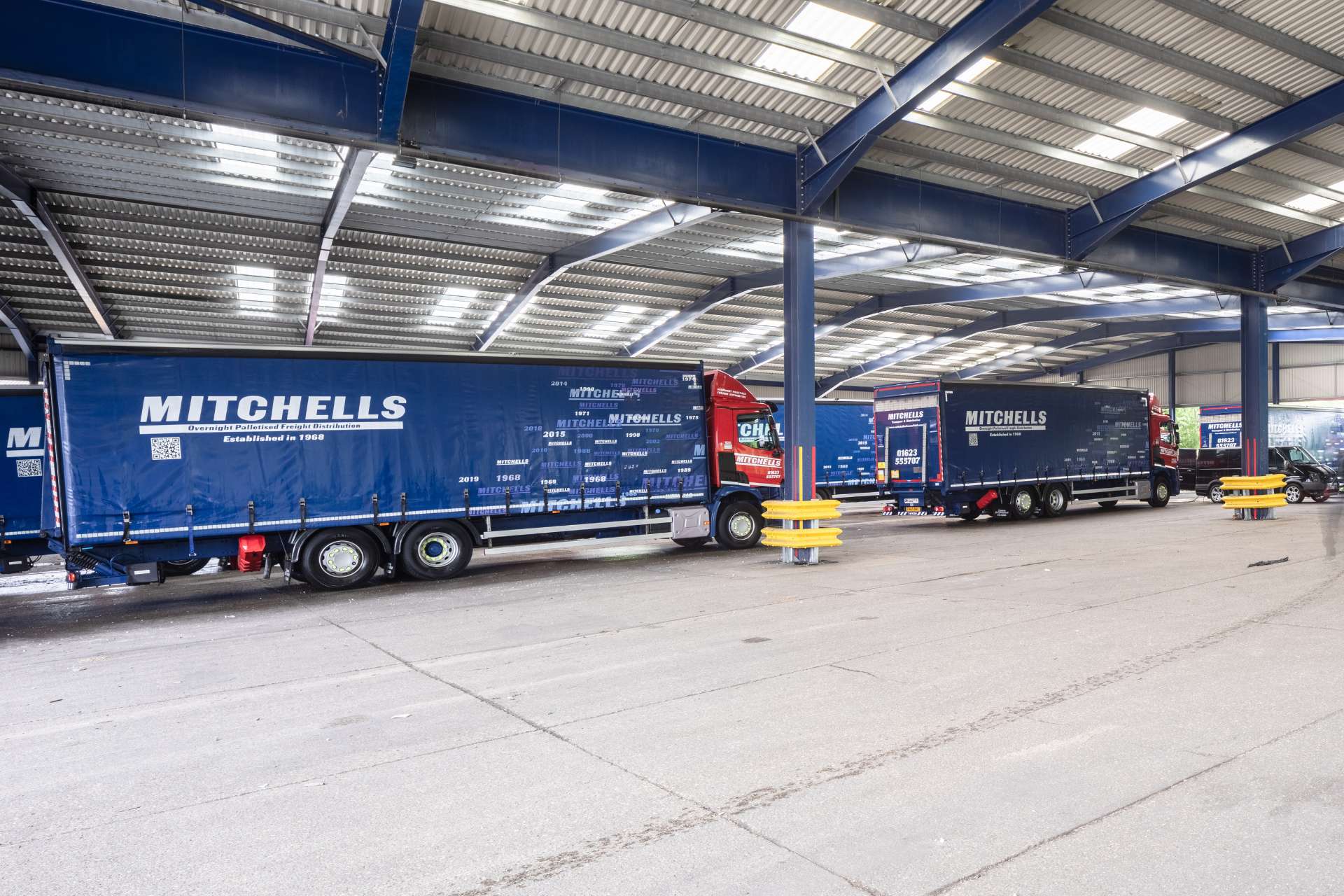
While parcel shipping works well for small consignments, it becomes inefficient when businesses start transporting:
- heavy goods,
- multiple cartons,
- fragile stock,
- or bulk commercial orders.
Pallet delivery allows goods to remain consolidated on a single pallet throughout much of the transportation process. This significantly reduces excessive handling, which is one of the leading causes of transit damage.
For example, a wholesaler sending 40 cartons of stock to Germany would typically benefit more from shipping the goods on a pallet than splitting them across multiple parcel consignments.
Palletised freight also provides:
- more predictable pricing,
- easier inventory handling,
- simplified unloading,
- and better operational scalability.
For growing businesses trading internationally, pallet shipping often becomes essential rather than optional.
Can You Send a Pallet to Europe From the UK?
Yes. Businesses can absolutely send a pallet to Europe from the UK. However, international pallet shipping now requires significantly more preparation than it did before Brexit.
While pallet networks continue to operate extensively across Europe, cross-border freight now involves customs clearance and export documentation.
This means businesses must ensure they provide accurate shipping information before goods can leave the UK.
Depending on the shipment, you may need:
- a commercial invoice,
- sender and receiver EORI numbers,
- commodity codes,
- customs declarations,
- and details regarding duties and VAT responsibilities.
Incomplete paperwork is one of the most common causes of delays when shipping pallets internationally.
It’s also important to understand that some European pallet services are business-to-business only. Residential deliveries may require additional services such as tail lifts or restricted access arrangements.
Need Help With Shipping Pallets From The UK to Europe?
If you’re unsure which paperwork you need or how customs clearance works, speak with an experienced pallet distribution provider before booking your shipment to Europe.
Step-by-Step Guide to Shipping Pallets From The UK to Europe
Understanding the process in advance makes international pallet delivery much smoother. Below is a beginner-friendly breakdown of how to prepare and ship pallets from the UK to Europe.
Step 1: Choose the Correct Pallet Size
Selecting the right pallet size is one of the most important parts of the shipping process.
Using a pallet that is too small can lead to overhanging goods, which increases the risk of damage and may trigger additional freight charges.
Common pallet sizes include:
| Pallet Type | Typical Dimensions |
| Quarter Pallet | 120cm x 100cm footprint, reduced height |
| Half Pallet | Half-height freight pallet |
| Full Pallet | Standard full-height pallet |
| Oversized Pallet | Exceeds standard dimensions |
UK pallets are typically:
- 1200mm x 1000mm
Euro pallets are usually:
- 1200mm x 800mm
Euro pallets are often preferred throughout European logistics systems because they fit efficiently within continental warehouse and transport infrastructure.
Before booking your shipment, always check:
- maximum pallet height,
- weight limits,
- overhang restrictions,
- and destination country requirements.
Incorrect dimensions can result in:
- rejected freight,
- surcharge fees,
- customs complications,
- or damaged goods.
Step 2: Secure and Wrap the Pallet Properly
Proper pallet preparation is essential for international freight.
Pallets are typically moved multiple times throughout the transport process, including:
- local pallet collection,
- regional depots,
- customs facilities,
- European hubs
- and final delivery vehicles.
This means poorly wrapped goods are far more likely to shift, collapse or become damaged during transit.
To prepare a pallet correctly:
Stack Goods Evenly
Distribute weight evenly across the pallet base.
Avoid creating unstable top-heavy loads.
Hint: Learn how to stack your pallets properly
Use Shrink Wrap Generously
Secure the entire load using industrial shrink wrap.
Wrap tightly around both the goods and the pallet base.
Learn: How to wrap a pallet.
Use Corner Protection Where Necessary
Fragile or boxed goods benefit from additional edge protectors.
Strap Heavy Goods
Ratchet straps can provide additional stability for machinery or dense freight.
Avoid Overhang
Goods extending beyond the pallet edge are vulnerable to crushing and impact damage.
Protect Against Moisture
International freight may encounter varying weather conditions and extended transit periods.
Waterproof wrapping can reduce damage risk.
Businesses that invest time into proper pallet preparation often experience:
- fewer damage claims,
- smoother deliveries,
- and lower long-term freight costs.
Step 3: Prepare Customs Documentation
Customs paperwork is now one of the most important parts of shipping pallets into Europe.
After Brexit, shipments moving between the UK and the EU require customs clearance.
Incorrect or incomplete paperwork can result in:
- delays,
- customs holds,
- extra charges,
- or returned freight.
Commercial Invoice
A commercial invoice explains:
- what the goods are,
- their value,
- country of origin,
- and who is responsible for duties and taxes.
Commodity Codes
Commodity codes classify products for customs purposes.
These codes help determine:
- duties,
- taxes,
- restrictions,
- and import regulations.
EORI Numbers
An EORI number (Economic Operators Registration and Identification number) is required for many international commercial shipments.
Both the sender and receiver may need valid EORI numbers.
Incoterms
Incoterms define responsibility for:
- transport,
- duties,
- customs charges,
- and risk.
DAP (Delivered At Place) is commonly used for pallet shipments.
Customs Declarations
Most pallet shipments into Europe now require formal customs declarations.
Accurate product descriptions are critical.
Vague descriptions such as “parts” or “goods” may trigger delays or customs inspections.
S&S and CDS Requirements
Since the full rollout of the Border Target Operating Model (BTOM) and the decommissioning of the old CHIEF system in February 2026, two additional steps are now mandatory:
- Safety and Security (S&S) Declarations: You must now lodge an Exit Summary Declaration (EXS) for most exports leaving the UK. Additionally, the EU now requires a full Entry Summary Declaration (ENS) via their ICS2 system at least one hour before the pallet reaches the EU border.
- Customs Declaration Service (CDS): All UK export declarations must now be submitted via the CDS platform. Ensure your EORI number is linked to your CDS financial account to handle any potential duties or VAT deferment seamlessly.
- French “Smart Border” ELOs: If shipping via the Channel Tunnel or ports like Calais, your haulier will likely require an ELO (Enveloppe Logistique Obligatoire), a digital barcode that bundles your customs and S&S data for scan-and-go transit.
Reduce Customs Delays
Working with a pallet delivery company experienced in European freight can help minimise paperwork issues and improve customs clearance times.
Step 4: Book Collection and Delivery
Once your pallet is prepared and the documentation is complete, you can arrange a collection.
Most pallet networks offer online booking systems that allow businesses to:
- select their pallet size,
- enter shipment dimensions,
- choose destination country,
- and arrange collection dates.
When booking, you may also need to specify:
- whether the collection site has forklift access,
- whether a tail lift is required,
- if the destination is residential,
- and any restricted access concerns.
Providing inaccurate information can result in failed collections or additional charges.
Transit times vary depending on:
- destination country,
- customs processing,
- delivery service level,
- and seasonal demand.
Most UK-to-Europe pallet deliveries take approximately:
- 4–10 working days.
Remote regions and customs inspections may increase delivery times.
Step 5: Track the Shipment
Modern pallet networks provide freight tracking throughout the delivery process.
Tracking systems allow businesses to monitor:
- collection status,
- depot movement,
- customs clearance,
- and final delivery.
Tracking visibility becomes especially important for:
- high-value goods,
- ecommerce fulfilment,
- customer communication,
- and time-sensitive shipments.
Some delays are unavoidable during international transport, particularly if customs inspections occur.
Maintaining proactive communication with both the pallet provider and receiver helps avoid confusion.
Shipping via Northern Ireland: The Windsor Framework
If your pallet route involves Northern Ireland (NI), it is essential to understand the Windsor Framework rules.
- The Green Lane: If your goods are moving from Great Britain to NI and are staying there (not at risk of moving into the Republic of Ireland/EU), you can use the “Green Lane” with significantly reduced paperwork under the UK Internal Market Scheme.
- The Red Lane: If your pallet is destined for the EU via NI, it must go through the “Red Lane,” requiring full EU customs checks and documentation.
Brexit Rules for Shipping Pallets to Europe
Brexit fundamentally changed how freight moves between the UK and EU.
Prior to Brexit, pallet shipments could move relatively freely between member states. Today, businesses must comply with customs procedures and border controls.
This has increased the importance of:
- documentation accuracy,
- customs planning,
- and freight compliance.
ISPM15 Heat-Treated Pallets
One of the most important requirements for international pallet shipping is ISPM15 compliance.
ISPM15 regulations are designed to prevent the international spread of pests through wooden packaging materials.
This means wooden pallets used for many European shipments must be:
- heat-treated,
- marked correctly,
- and compliant with international standards.
Non-compliant pallets may be:
- rejected,
- destroyed,
- or delayed at customs.
Customs Delays After Brexit
Customs delays are often caused by:
- missing paperwork,
- incorrect commodity codes,
- inaccurate values,
- or incomplete declarations.
Peak shipping periods can also increase border congestion.

Businesses shipping regularly into Europe should develop clear internal export procedures to reduce disruption.
VAT and Duties
Depending on the shipment and destination country, import VAT and duties may apply.
Businesses should clearly establish:
- who pays import charges?
- whether goods qualify for tariff exemptions,
- and which Incoterms apply.
Confusion around VAT responsibility is a common issue in international freight.
Environmental Regulations: EU CBAM
As of January 1, 2026, the EU’s Carbon Border Adjustment Mechanism (CBAM) has entered its definitive phase.
If your pallet contains carbon-intensive goods, specifically Iron, Steel, Aluminium, Fertilisers, Cement, or Hydrogen, your EU importer is now legally required to be a “Registered Authorised Declarant.”
What this means for you: Even if you are the sender, your EU customers will now require verified emissions data for these products. Failure to provide this data can result in your goods being held at the border or the importer facing significant carbon levies.
UK Pallets vs Euro Pallets
Understanding pallet standards can improve shipping efficiency and reduce transport issues.
UK Pallets
Typical dimensions:
- 1200mm x 1000mm
These pallets are widely used throughout the UK.
Euro Pallets
Typical dimensions:
- 1200mm x 800mm
Euro pallets are standardised across much of mainland Europe.
Because European warehouse systems and trailers are often designed around Euro pallet sizing, many businesses shipping frequently into Europe choose Euro pallets for improved compatibility.
Using the correct pallet type can improve:
- trailer space utilisation,
- warehouse efficiency,
- and handling consistency.
How Much Does It Cost to Send a Pallet to Europe?
International pallet shipping costs vary depending on several factors.
There is no universal flat rate because pricing depends heavily on:
- destination country,
- pallet dimensions,
- shipment weight,
- customs complexity,
- fuel costs,
- and delivery urgency.
Typical cost factors include:
| Pricing Factor | Impact on Cost |
| Pallet Size | Larger pallets cost more |
| Weight | Heavier freight increases pricing |
| Distance | Longer routes raise transport costs |
| Delivery Speed | Express services cost more |
| Customs Handling | Extra admin may apply |
| Residential Delivery | Tail lift services may add fees |
Some shipments may also incur:
- customs duties,
- import VAT,
- congestion surcharges,
- or remote area delivery fees.
Businesses can often reduce freight costs by:
- consolidating shipments,
- using correctly sized pallets,
- avoiding overhang,
- and planning deliveries in advance.
Compare European Pallet Delivery Costs
Requesting a tailored freight quote is the best way to understand the true cost of shipping pallets into Europe based on your shipment size and destination.
Transit Times for European Pallet Deliveries
Transit times vary depending on the destination country and customs clearance process.
Typical delivery windows include:
| Destination | Estimated Transit Time |
| France | 3–5 working days |
| Germany | 4–6 working days |
| Spain | 5–7 working days |
| Italy | 5–8 working days |
| Eastern Europe | 7–10 working days |
These estimates can fluctuate depending on:
- customs processing,
- seasonal demand,
- weather disruption,
- and border congestion.
Businesses should also factor in additional time during:
- Christmas peak periods,
- major European holidays,
- and periods of customs backlog.
For urgent freight, premium express pallet services may be available.
Common Mistakes When Shipping Pallets to Europe
Many international shipping problems are avoidable.
Below are some of the most common mistakes businesses make when shipping pallets into Europe.
Incorrect Paperwork
Missing or inaccurate customs documentation is one of the biggest causes of delays.
Always double-check:
- commercial invoices,
- EORI numbers,
- product descriptions,
- and commodity codes.
Poor Pallet Wrapping
Unsecured freight is far more likely to become damaged during transit.
Investing in proper wrapping materials significantly reduces risk.
Under-Declaring Weight or Dimensions
Incorrect shipment information can lead to:
- surcharge fees,
- collection refusal,
- or transport delays.
Always measure and weigh pallets accurately.
Using Non-Compliant Pallets
Failing to use ISPM15-compliant pallets may create customs problems.
This is especially important for wooden pallets moving internationally.
Booking the Wrong Service
Not all pallet services are suitable for:
- residential delivery,
- hazardous freight,
- or restricted access sites.
Understanding service limitations in advance helps avoid operational issues.
Restricted and Prohibited Goods
Not all goods can be shipped through pallet networks.
Restrictions vary depending on:
- the carrier,
- destination country,
- and customs regulations.
Commonly restricted or prohibited goods may include:
- hazardous chemicals,
- flammable materials,
- perishables,
- live products,
- weapons,
- and certain liquids.
Fragile goods may also face limited compensation cover.
Before booking international pallet shipping, businesses should always verify:
- carrier restrictions,
- import regulations,
- and destination-specific rules.
Choosing the Right European Pallet Delivery Partner
Selecting the right freight provider is one of the most important decisions businesses can make.

International pallet shipping is far more complex than domestic delivery.
Working with an experienced provider can help reduce:
- customs issues,
- delays,
- damage claims,
- and communication problems.
When evaluating pallet delivery companies, consider:
European Network Coverage
A strong European network improves route efficiency and delivery reliability.
Customs Expertise
Providers familiar with post-Brexit shipping requirements can help minimise clearance problems.
Tracking Technology
Modern freight tracking improves visibility and customer communication.
Customer Support
Responsive customer service becomes especially valuable if customs delays or transit issues occur.
Insurance Options
Understand exactly what level of compensation cover applies to your freight.
Speak With European Freight Specialists
An experienced pallet distribution partner can help simplify international shipping, reduce delays and ensure your goods arrive safely across Europe.
Get a quote.
Best Practices for Shipping Pallets to Europe
Businesses shipping internationally on a regular basis should develop consistent freight processes.
The most successful exporters typically:
- standardise packaging,
- photograph shipments before dispatch,
- maintain accurate customs records,
- use compliant pallets,
- and verify documentation carefully.
Additional best practices include:
Label Clearly
Ensure labels remain visible and securely attached.
Keep Documentation Organised
Store invoices, customs forms and shipping records digitally.
Communicate With Receivers
Ensure receivers understand delivery expectations and customs responsibilities.
Plan Ahead During Peak Periods
Allow additional time during busy seasonal periods.
Work With Reliable Freight Partners
Long-term logistics relationships often improve operational efficiency.
FAQs About Shipping Pallets to Europe
Can I still send a pallet to Europe after Brexit?
Yes. UK businesses can continue shipping pallets into Europe, although customs procedures and paperwork are now required.
What paperwork is needed for European pallet shipping?
Most shipments require:
- a commercial invoice,
- commodity codes,
- customs declarations,
- and EORI numbers.
Do pallets need to be heat-treated?
Many international shipments require ISPM15-compliant heat-treated pallets.
How long does pallet delivery to Europe take?
Most UK-to-Europe pallet deliveries take 4–10 working days. Note that the EU Entry/Exit System (EES) biometric checks for drivers can occasionally add minor delays at peak port times (Dover/Calais).
Is pallet shipping cheaper than parcel delivery?
For heavier or bulk shipments, pallet delivery is often more cost-effective than sending multiple parcels.
Can pallets be delivered to residential addresses?
Some providers offer residential delivery services, although additional charges may apply.
Simplifying European Pallet Shipping for UK Businesses
Shipping pallets from the UK to Europe may feel overwhelming initially, especially with customs regulations, Brexit requirements and international freight documentation now playing such an important role in cross-border logistics.
However, with the right preparation and support, palletised freight remains one of the most efficient, scalable and cost-effective ways for businesses to transport goods throughout Europe.
By choosing the correct pallet size, securing freight properly, preparing accurate customs paperwork and working with an experienced logistics provider, businesses can significantly reduce delays, minimise damage risks and improve delivery reliability.
Whether you’re a small ecommerce retailer shipping inventory to France, a wholesaler exporting stock into Germany or a manufacturer moving commercial goods across multiple EU countries, pallet delivery offers a practical solution for growing international operations.
Most importantly, understanding the process before booking your shipment can save valuable time, avoid unexpected charges and help ensure your goods arrive safely and compliantly.
As European trade continues evolving, businesses that build strong freight and logistics processes will be far better positioned to scale efficiently and maintain reliable customer relationships.
Ready to Send a Pallet to Europe?
If you’re looking for a reliable and cost-effective way to ship goods internationally, working with an experienced pallet distribution specialist can make the entire process far simpler.
From customs support and documentation guidance to competitive delivery pricing and European network coverage, the right logistics partner can help you ship with confidence.
Get a Fast Quote for European Pallet Delivery
Need help shipping pallets from the UK to Europe? Speak with an international freight expert today for tailored advice, competitive pricing and reliable pallet delivery services across Europe.